Gear Essentials
Camera:
- A DSLR or a mirrorless camera for maximum control and image quality.
- Consider using a zoom lens for distant landscapes and a prime lens for portraits and street photography.
Accessories:
- Trips for stability during long exposures.
- Lens cleaning kit to ensure clear and sharp images.
- Spare batteries and memory cards for extended shooting sessions.
Timing
Golden Hours:
- Early morning and later afternoon offer soft,warm light ideal for landscapes and portraits.
- Sunrise and sunset at iconic locations like Poon Hill or Nagarkot can result in stunning images.
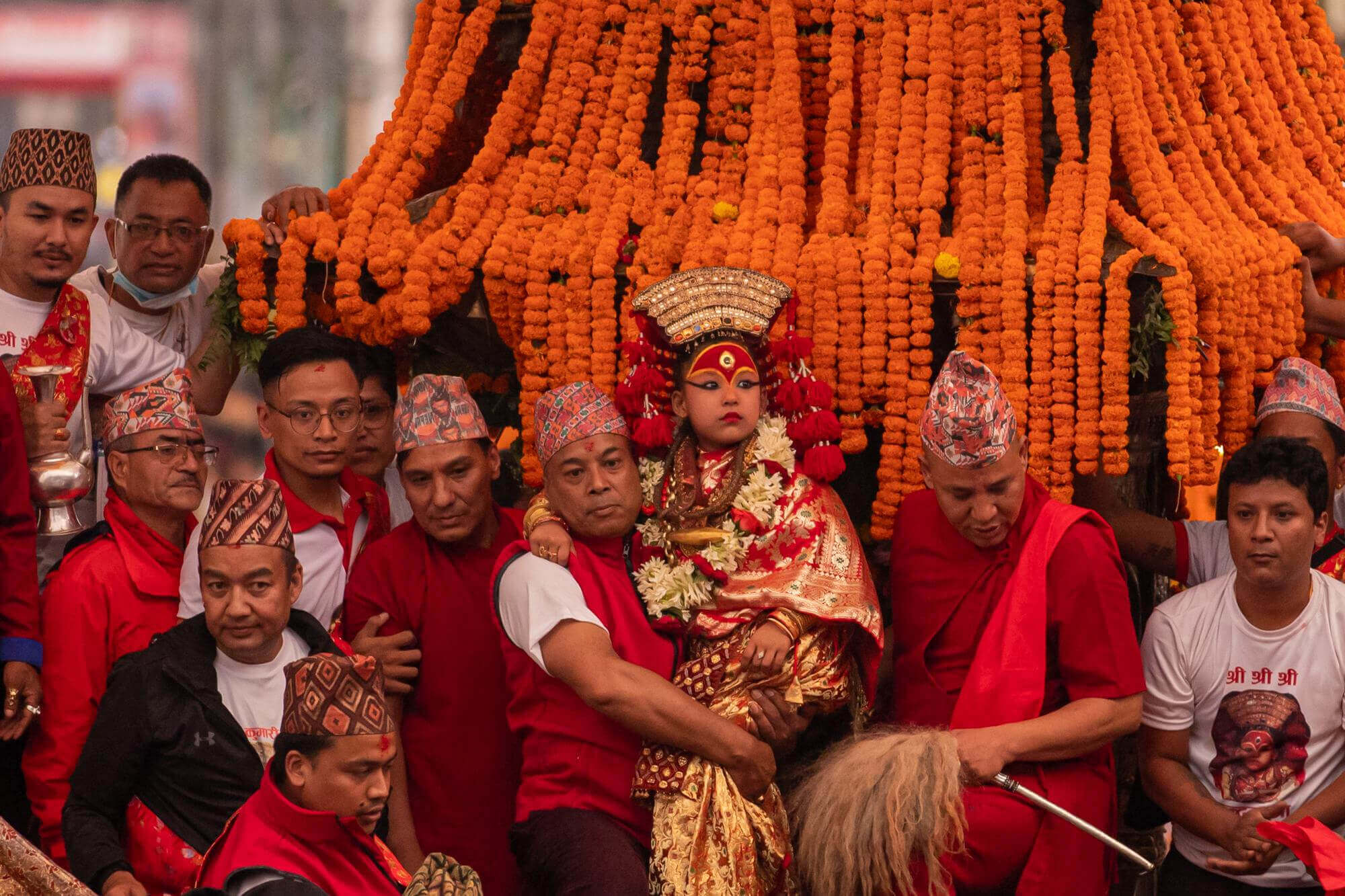
Festivals and Events:
- Capture the vibrant colours and cultural richness of different festivals celebrated.
- Plan your visit around major events for unique photographic opportunities.
Landscapes that take your breath away:
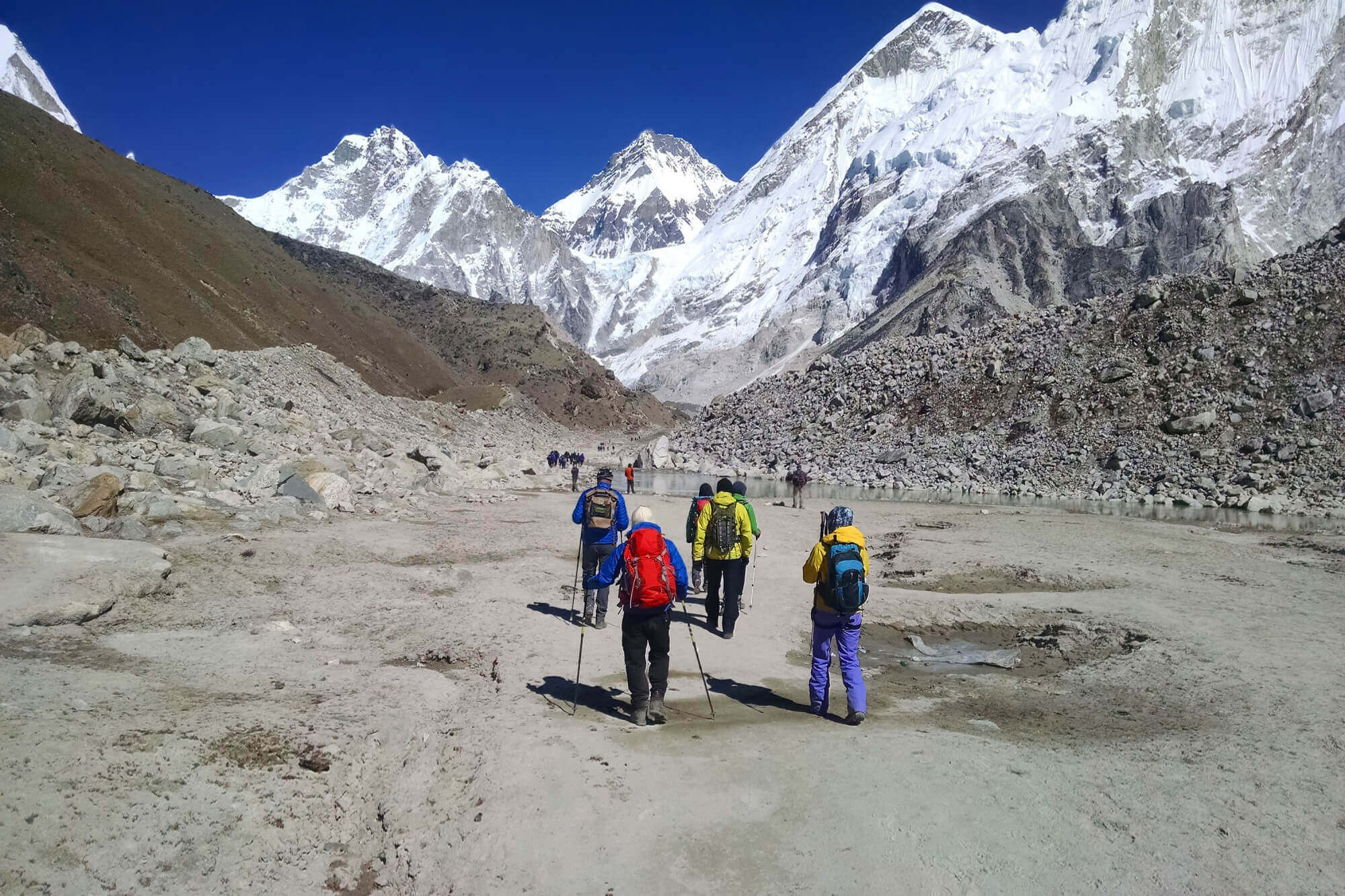
Himalayan Peaks:
- For classic mountain views, trek to viewpoints like Kala Patthar (Everest) or Poon Hill (Annapurna).
- Utilize wide angle lenses to capture the vastness of the landscape.
Rural Life:
- Visit picturesque villages in the Annapurna or Langtang regions.
- Candid shots of daily life, terraced fields, and traditional houses make for compelling compositions.
Cultural Portraits:
People and Faces:
- Seek permission before taking portraits of locals.
- Capture the unique features and expressions that tell stories of resilience and warmth.
Monasteries and Temple:
- Showcase the intricate architecture and spiritual ambiance of places like Boudhanath Stupa and Pashupatinath Temple.
- Experiment with different angles and perspectives.
Kathmandu Street Photography:
Thamel District:
- Explore Thamel’s busy streets to see colorful street scenes.
- Take notes about the various types of people, stores, and everyday activities.
Markets and Bazaars:
– For a sensory feast, visit nearby marketplaces like Asan and Indra Chowk.
– Seize the hues, patterns, and dynamic exchanges.
Wildlife Encounters:
Chitwan National Park:
- When taking pictures of different bird species, rhinos, elephants, and other wildlife, use telephoto lenses.
- For the best lighting, choose safari sessions in the early morning or late afternoon.
Ancient Architecture and Cityscapes:
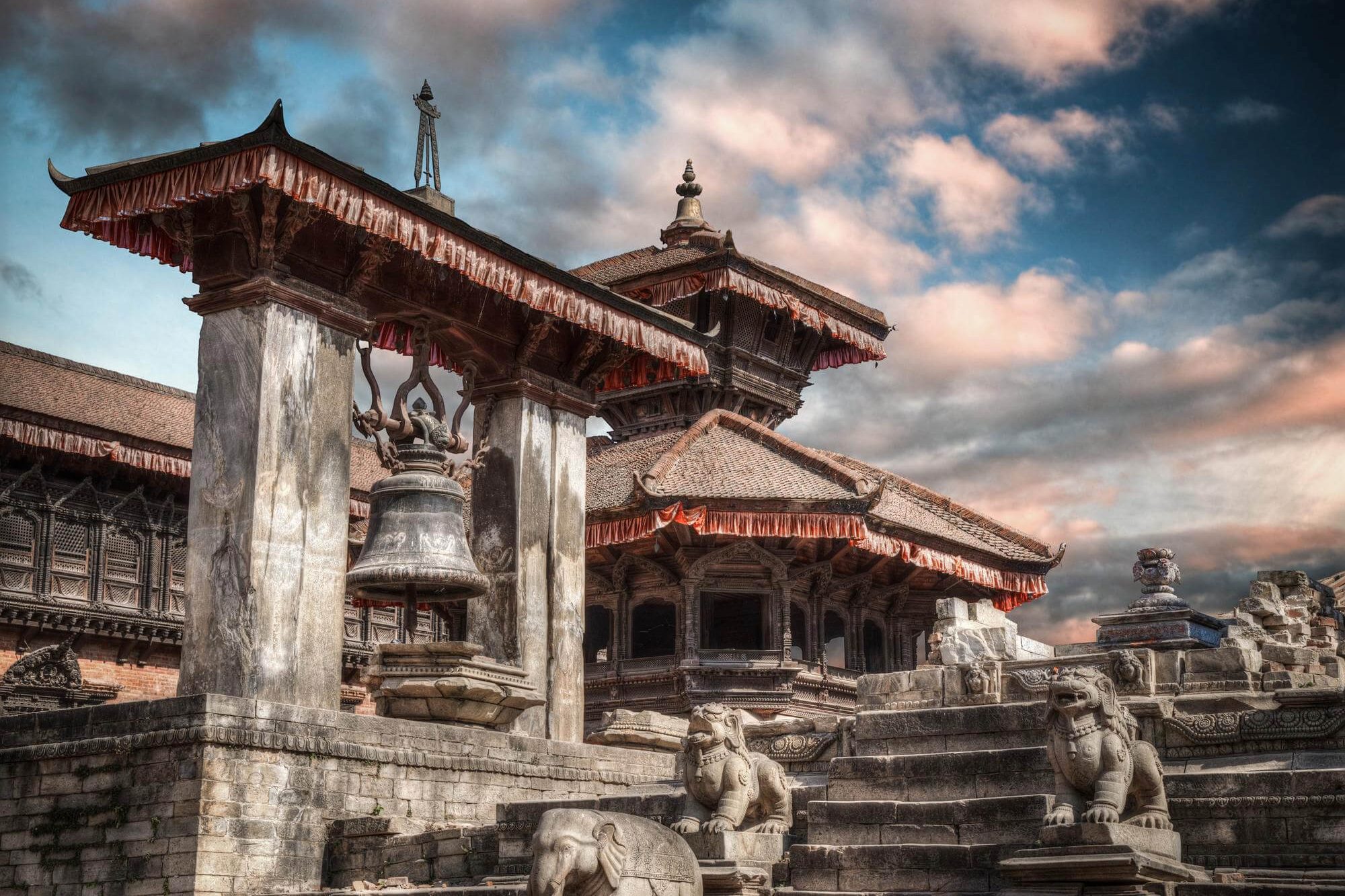
Bhaktapur Durbar Square:
- Showcase Durbar Square in Bhaktapur’s elaborate woodwork and medieval elegance.
- Capture the way shadows and light interact with historic buildings.
Panoramas of the Kathmandu Valley:
- Go to higher vantage spots to get sweeping views of the Kathmandu Valley.
- Take pictures of the busy urban area against the hills in the area.
Showing Respect and Cultural Sensitivity:
Request Permission:
- Before taking a picture of someone, especially in a remote region, get their permission.
- Show reverence for religious rituals and ceremonies.
Local customs:
- Learn about the regional traditions and customs so that you can record genuine events without upsetting others.
Nepal is a photographer’s paradise, with countless opportunities to capture the distinctive beauty of its landscapes, people, and culture. Whether you’re a seasoned photographer or an amateur with a love for visual storytelling, Nepal offers a canvas unlike any other. So grab your camera, let your imagination go wild, and embark on a photography voyage through the heart of the Himalayas.